.png)
Connector Selection for Rail, Robotics and Industrial Automation
Executive Summary
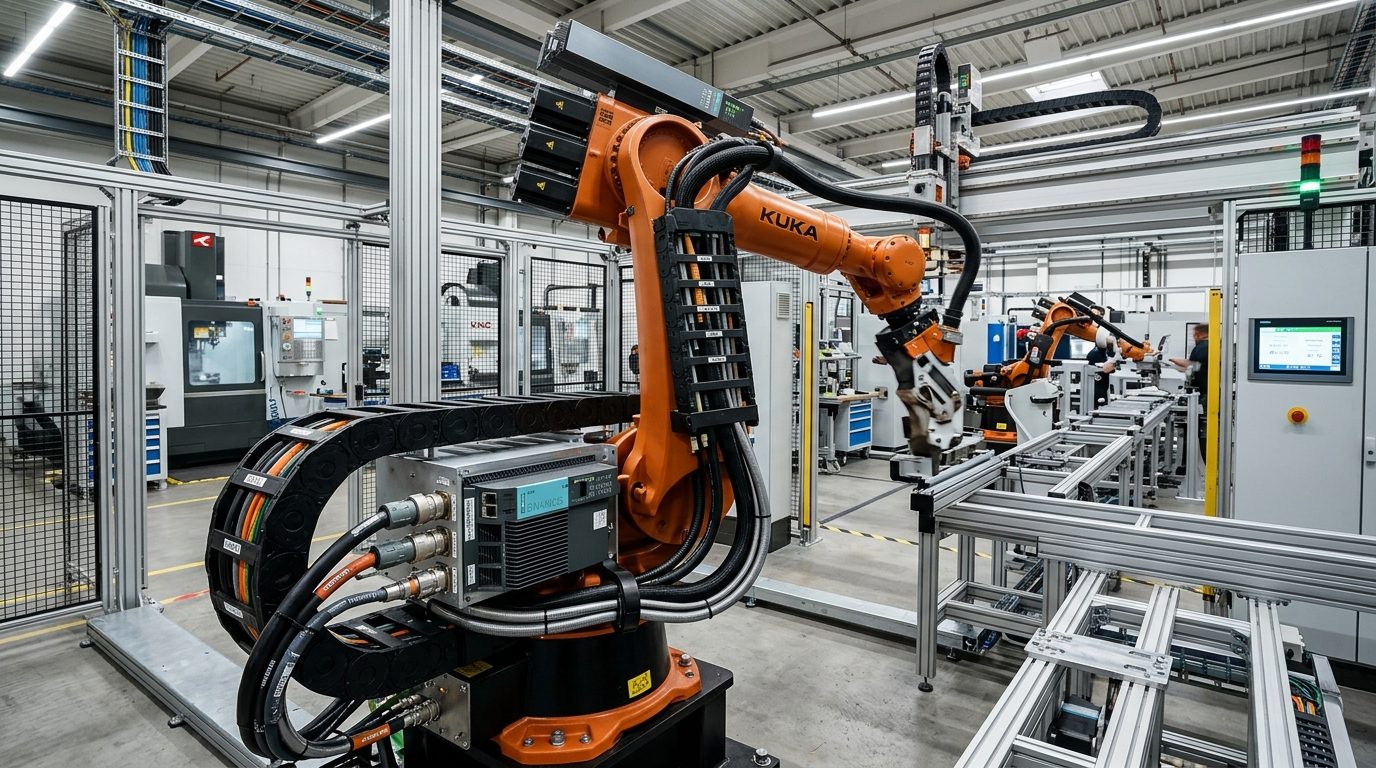
Rail, robotics and factory automation look like three markets but impose the same four stresses: sustained vibration, repeated mating, fluid exposure and wide temperature swing. Ranking those four correctly is what separates a connector that lasts from one that becomes a maintenance item.
Industrial equipment fails at its connections more often than at its electronics. The reason is that connectors sit at the boundary between a controlled environment and an uncontrolled one — between the cabinet and the machine, the bogie and the frame, the controller and the tool. Selecting for that boundary means ranking four stresses in the right order for the specific installation.
Stress One: Sustained Vibration
Continuous vibration attacks two things — the coupling, which can back out, and the contact interface, which can fret. A threaded coupling resists backing out mechanically; a bayonet resists it through ramp geometry; a push-pull relies on spring preload and should be selected with that in mind.
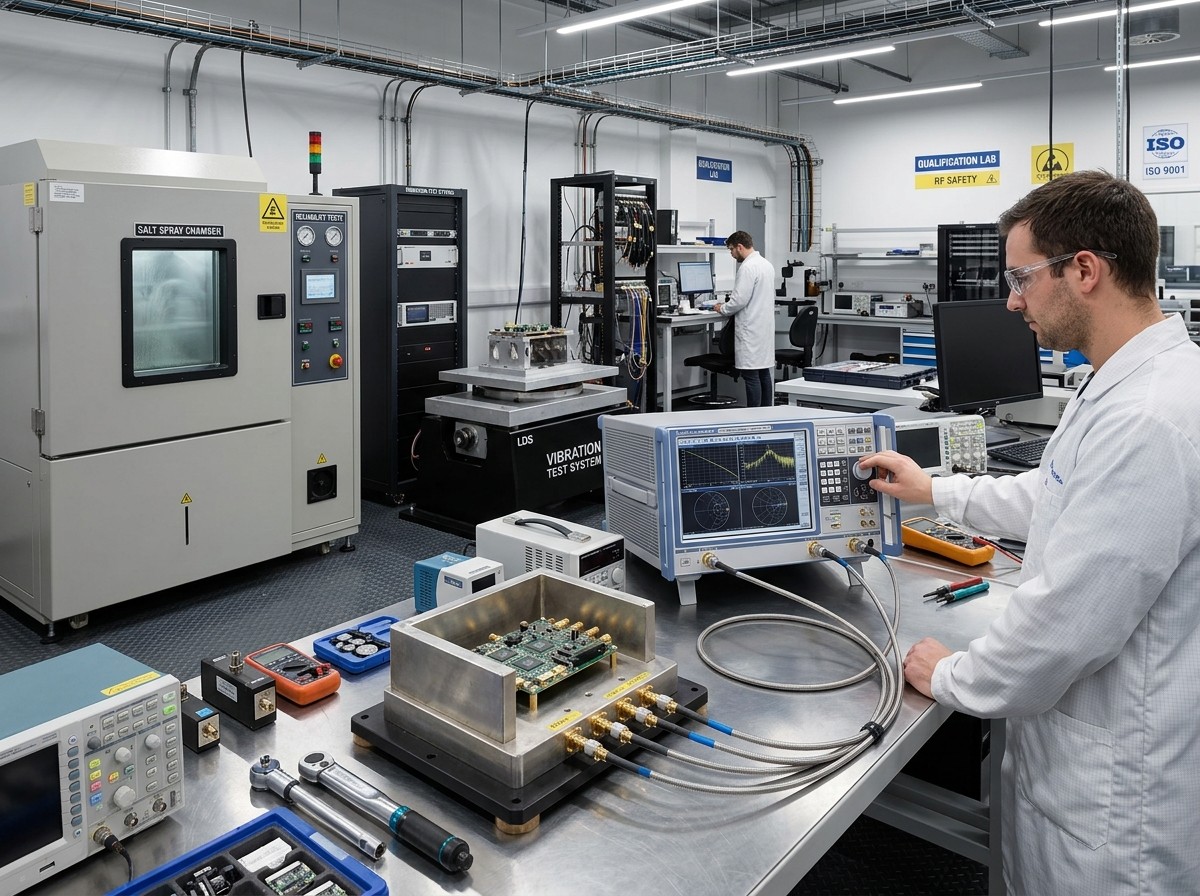
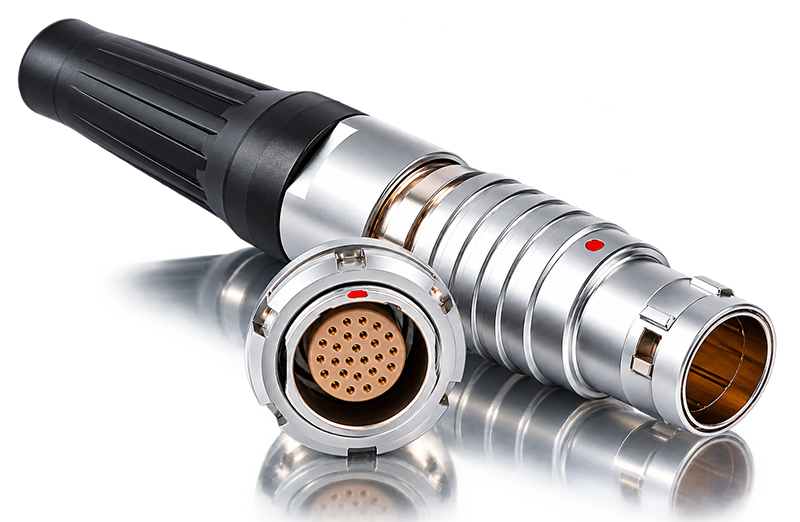
Our circular ranges are characterised at 10 to 20000 Hz at 15 g and 100 g mechanical shock over 6 ms, with operation from −45 °C to +125 °C on the HY-02 and GJB599 families. The YT8 series and YQ3 series cover the same environment class for panel-mounted equipment.
Stress Two: Mating Frequency
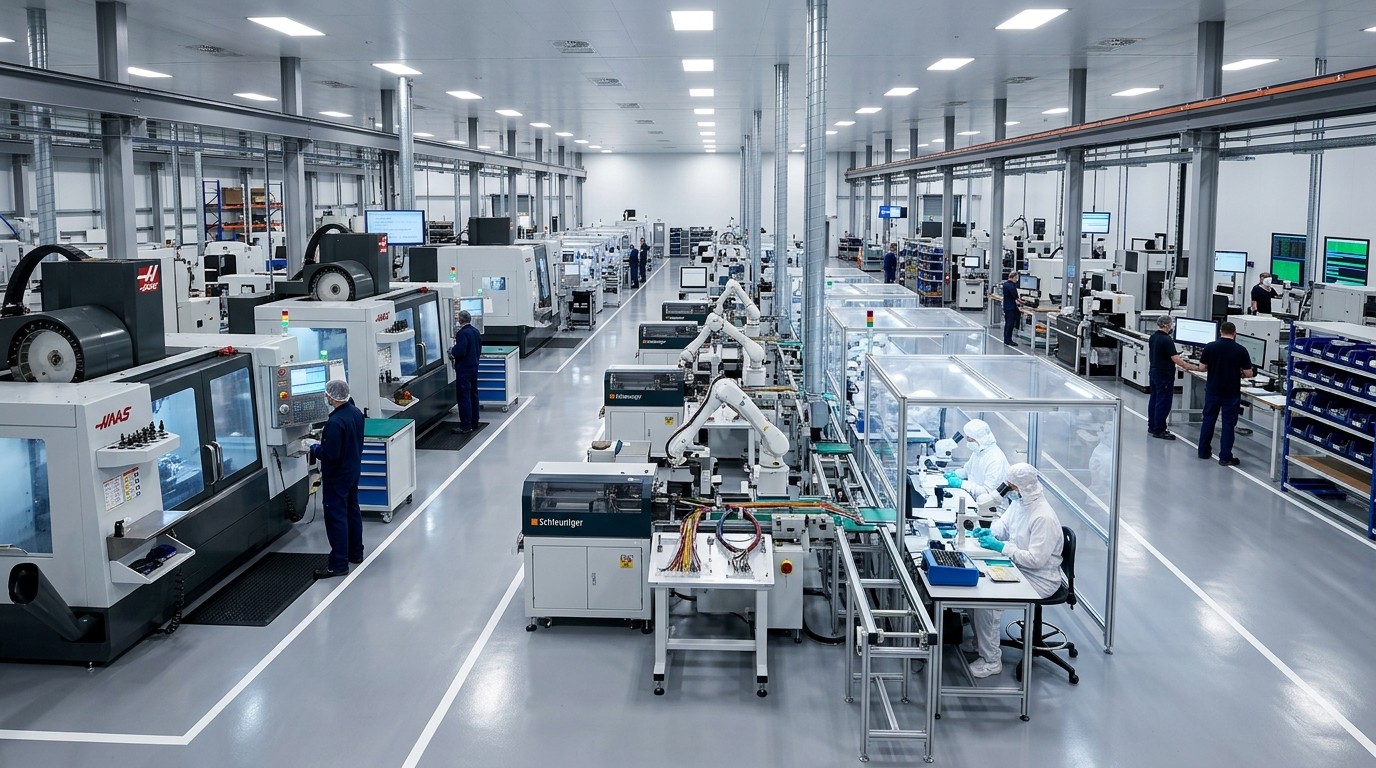
This is the specification most often ignored and most often the cause of premature replacement. A production cell that re-tools twice a day will put 500 cycles on a connector in a year; a test fixture can do it in a week.
- Up to a few hundred cycles over life — any of our threaded or bayonet ranges are appropriate; 500 cycles is the standard rating.
- Thousands of cycles — the HY-02 B series push-pull mechanism is rated above 5000 matings, with no rotation to wear the coupling.
- Daily or shift-frequency swapping — push-pull, with a spare cable assembly kept on the line rather than field-repairing contacts.
Stress Three: Fluids and Washdown
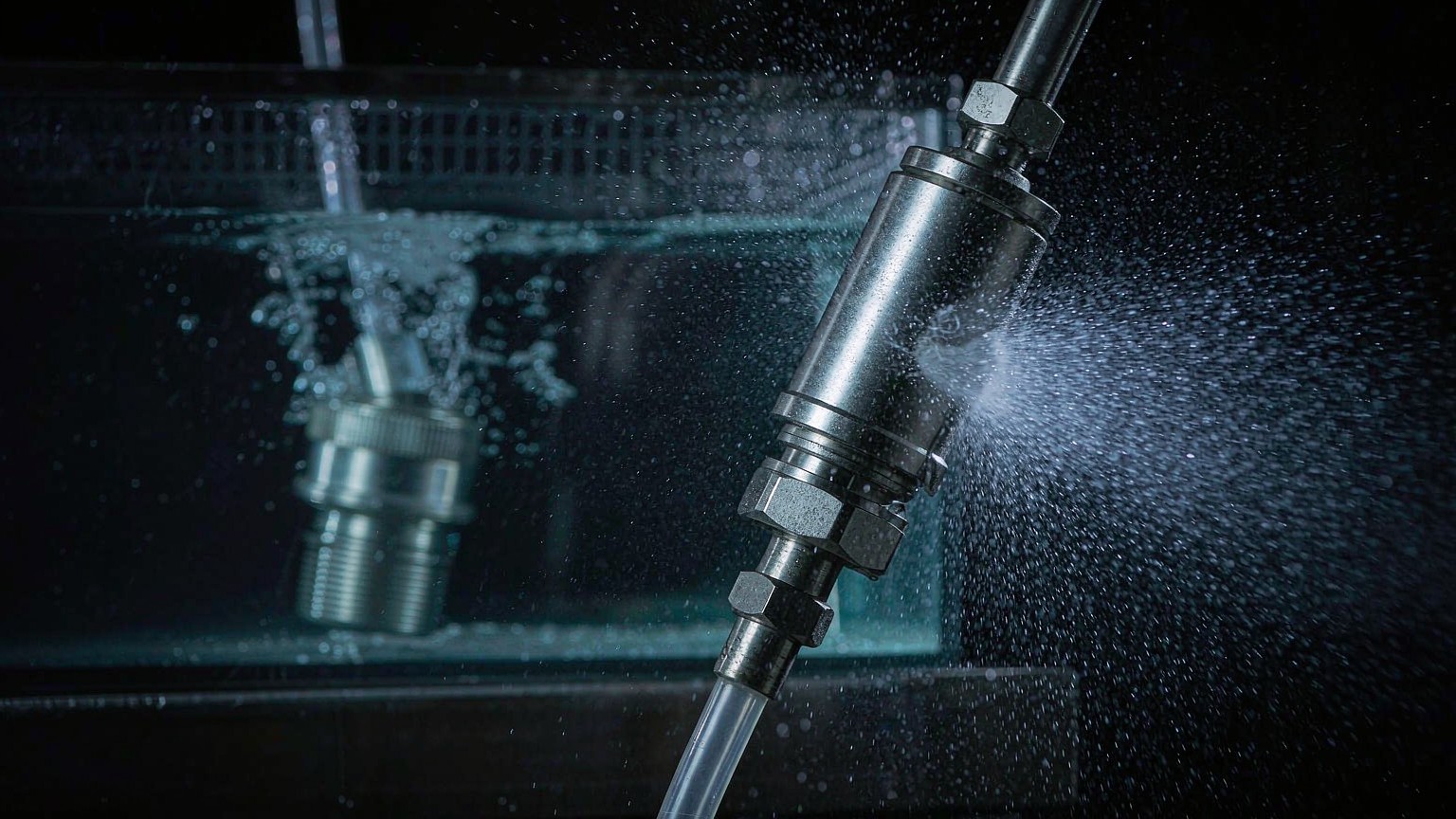
Coolant, cutting fluid, hydraulic oil and steam cleaning all attack different materials. IP67 is sufficient for splash and washdown, which covers most machine-tool and packaging equipment. IP68 is required where the connector is submerged or sits in a pool of coolant at the base of a machine — the HY-02 K series reaches IP68 when mated and correctly cabled.
Seal material matters as much as the rating. Repeated exposure to hydrocarbon oils will swell some elastomers and shrink others; for mixed fluid exposure it is worth confirming the seal compound rather than accepting a generic IP67 claim.
Stress Four: Thermal Cycling
A connector that holds its seal at constant temperature can leak when cycled. Differential expansion between a metal shell and a plastic insert opens a path that only appears at the extremes. This is why temperature range and sealing grade should be specified together, not independently.
Matching Families to Equipment
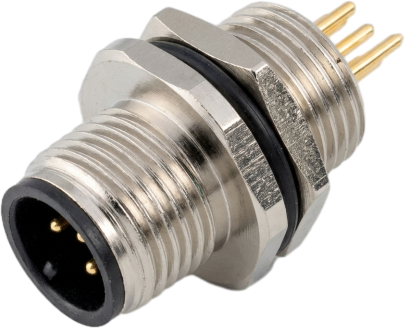
- Machine-mounted panels and field junction boxes — YQ3 or YT8 bayonet circular connectors, IP67, with a quarter-turn lock that an operator can verify by feel.
- Cabinet internals and modular sub-assemblies — HY-02 push-pull for fast, tool-free module swaps with more than 5000 mating cycles available.
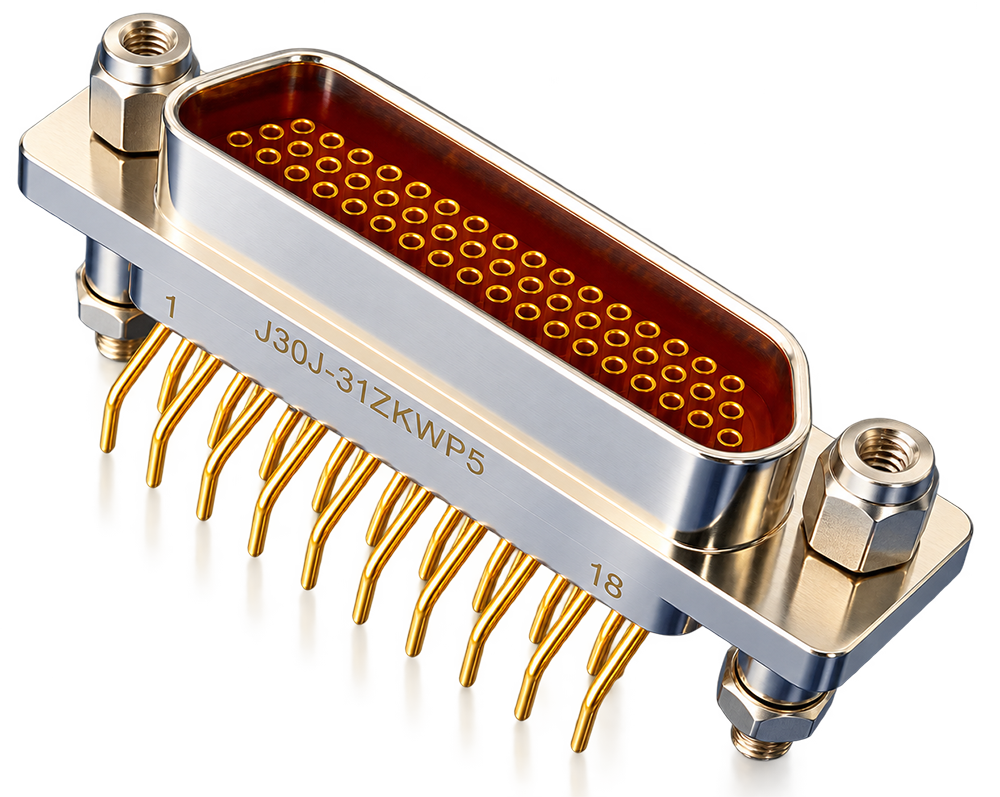
- Signal-dense control wiring on a backplane — J30J Micro-D at 1.27 mm pitch, or J63A at 0.635 mm where the cutout is smaller still.
- Power distribution between racks — JL17-03 or CDb high-density rectangular connectors, both rated for the current levels that circular signal connectors cannot carry.
- Exposed RF links and antenna runs — N series for the mast, SMA for the equipment end.
What to Write in the Specification
A connector specification that will actually hold up states five things: the environmental class in physical terms rather than an IP number alone, the expected number of mating cycles over the equipment life, the cable type and jacket diameter, the maintenance access available, and the inspection interval. Everything else — shell material, plating, contact system — follows from those five.
Talk to a Hengyu application engineer:
Guangzhou Hengyu Electronic Technology Co., Ltd. · No. 188 Kaiyuan Avenue, Huangpu District, Guangzhou, China
Direct Inquiry Email: sales@hengyu-connector.com
Official WhatsApp: +86-20-87831269